
Buying a Historic Home in Charleston
Understand Charleston's Board of Architectural Review (BAR), permits, property history, windows, renovations, and construction considerations before you buy.
Guidance from Jennifer Burke, Charleston REALTOR®, Broker-in-Charge and construction expert.

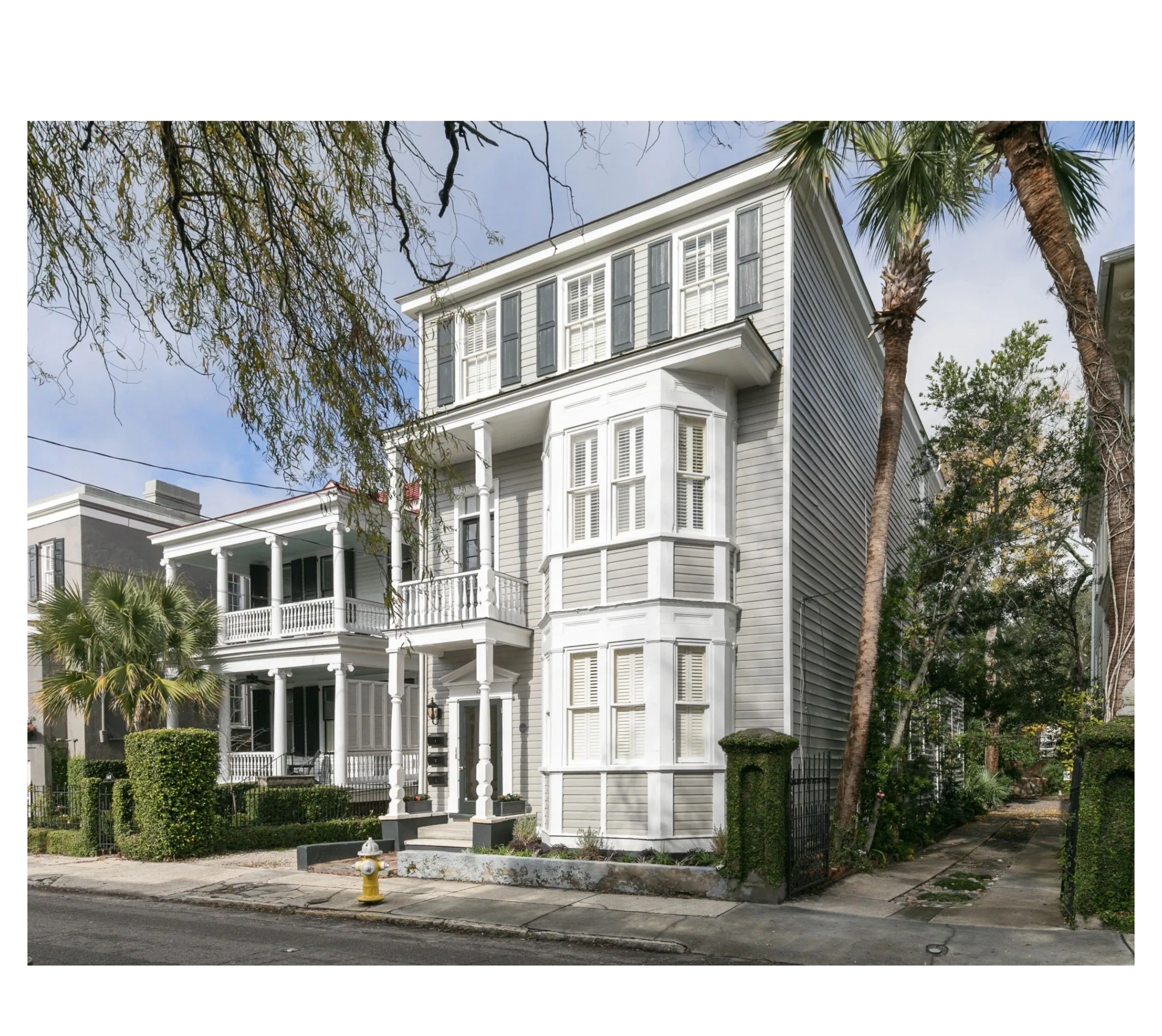
Where Does Charleston BAR Review Apply?
In historic districts, BAR reviews visible new construction and exterior changes. It also reviews any demolition in the Old and Historic District and demolition of buildings 50 years or older south of Mount Pleasant Street. Landmark Overlay properties are also under BAR jurisdiction.
Historic Districts
Property Address
Proposed Work

How Charleston BAR Review Works
When a building permit application is submitted, the property address is checked for BAR jurisdiction and routed to Preservation staff. Staff then determines whether the proposed work qualifies as an in-kind or staff-level approval --or requires a BAR-S or BAR-L submittal for scheduling.
IN-KIND / Staff Review
Minor work and repairs matching existing materials may be approved by Preservation staff without a board meeting.
BAR-Small
Smaller projects requiring a full submittal package and board review. Typically meets at 4:30 p.m. on the second and fourth Thursdays
BAR-Large
Larger or more substantial projects requiring detailed documentation and board review. Typically meet at 4:30 p.m. on the second Wednesday.
Historic Property Research
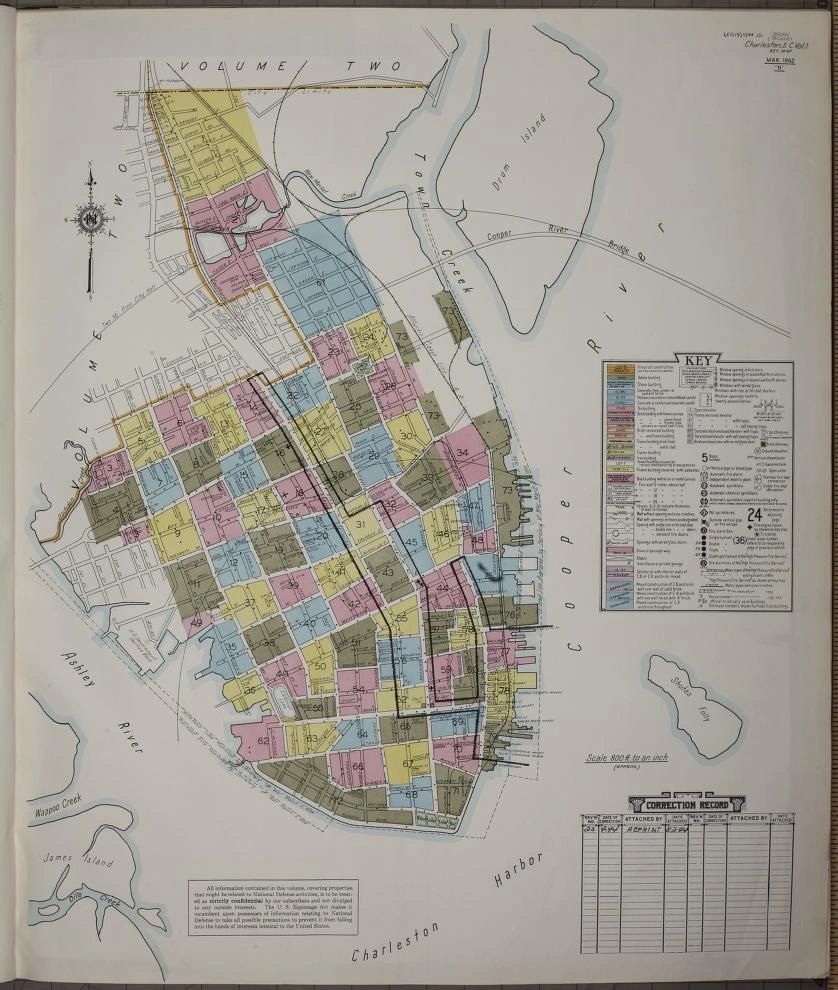
Sanborn fire insurance maps document historical building footprints and construction materials, including frame and masonry structures.
BAR-S and BAR-L applications involving historic structures require historical documentation, including Sanborn maps, photographs, archival or physical evidence, and a written narrative.
Jennifer also uses historical permits, property records, and, when appropriate, FOIA requests to help buyers investigate documented flooding, property damage, additions, and alterations.
The FEMA 50% Rule and Building Permits
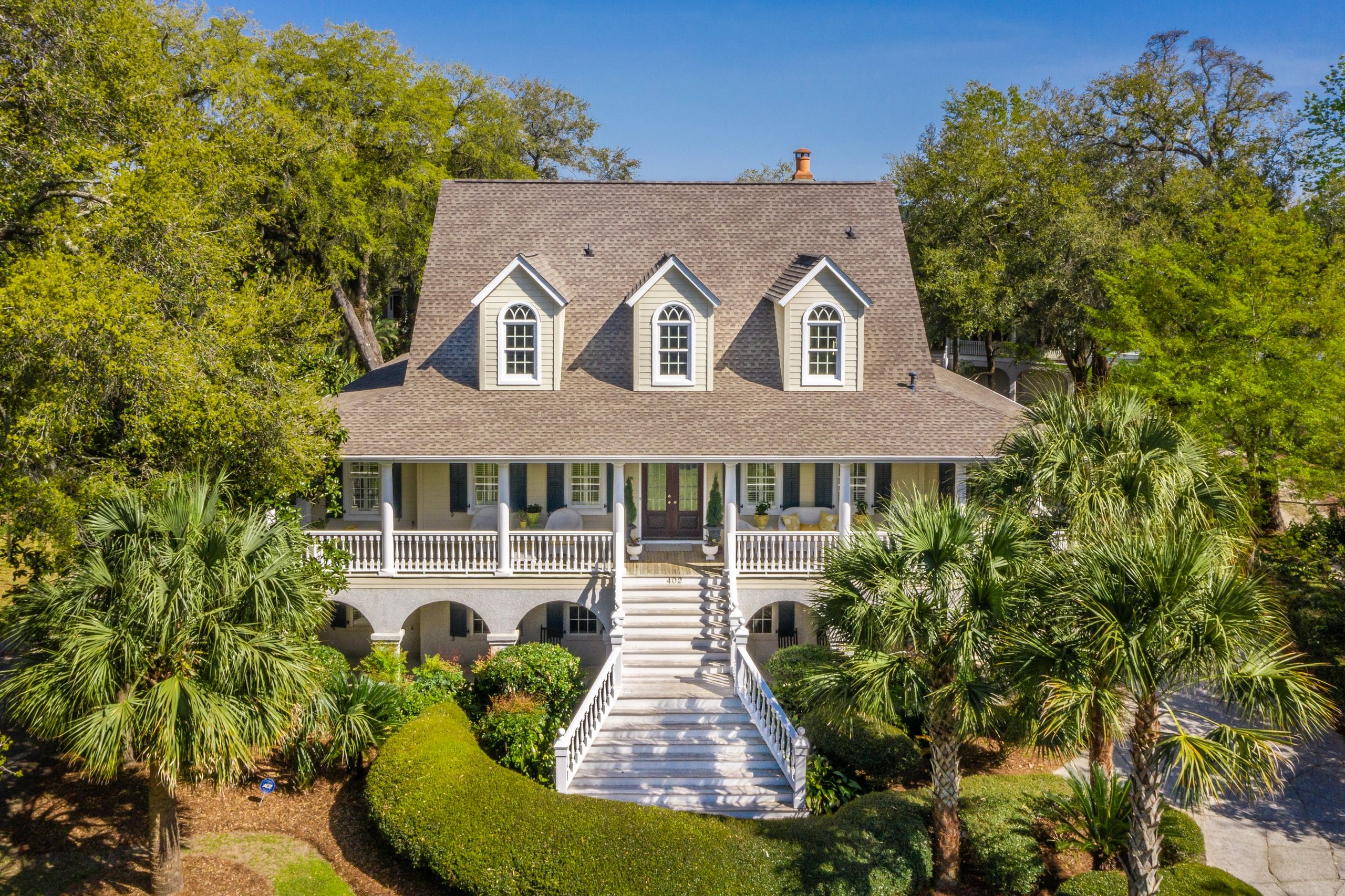
In participating floodplain communities, the FEMA 50% Rule can affect permits for work on existing buildings in designated flood zones. At 50% or more, applicable flood-design requirements are triggered. Jennifer helps buyers and property owners navigate the FEMA 50% Rule, evaluate valuation options, and plan permitted improvements before work begins.
BUILDING VALUE
The calculation uses the building's market value before work begins. Land is excluded. A municipality may use its assessor's improvement value or accept a qualifying appraisal.
LOCAL RULES MATTER
Municipalities administer the rule through local building permitting. Valuation methods, cumulative periods, and historic-property procedures can vary. Charleston currently uses a one-year cumulative review.
RESEARCH BEFORE BUYING
If renovations are planned, research the property before agreeing to buy. Confirm the local rules, building value, and permit history. If an appraisal is needed, order it before work begins.